Expert Summary
- Golden Retrievers, Labrador Retrievers, and Beagles consistently top AKC's 2026 family-friendliness rankings.
- Bite statistics from the CDC (2025 update) show that breed selection and early socialization reduce household incidents by over 70%.
- Annual ownership costs range from $1,400 (Beagle) to $3,200 (Bernese Mountain Dog) once food, vet, and grooming are factored in.
The best family dog breed for 2026 is the one that matches your household's energy, space, and schedule—not just a cute face. Our team reviewed AKC registration data, CDC bite-incident reports, and veterinary behavior studies to rank the top 12 breeds families are actually choosing this year.
How We Ranked These Breeds
We scored each breed across five weighted criteria:
- Child temperament score (35%) — AVMA and AKC behavioral assessments
- Trainability (25%) — AKC Working Aptitude ratings
- Energy match (20%) — median daily exercise requirement vs. typical family schedule
- Grooming burden (10%) — time and cost per month
- Annual ownership cost (10%) — 2026 ASPCA survey medians
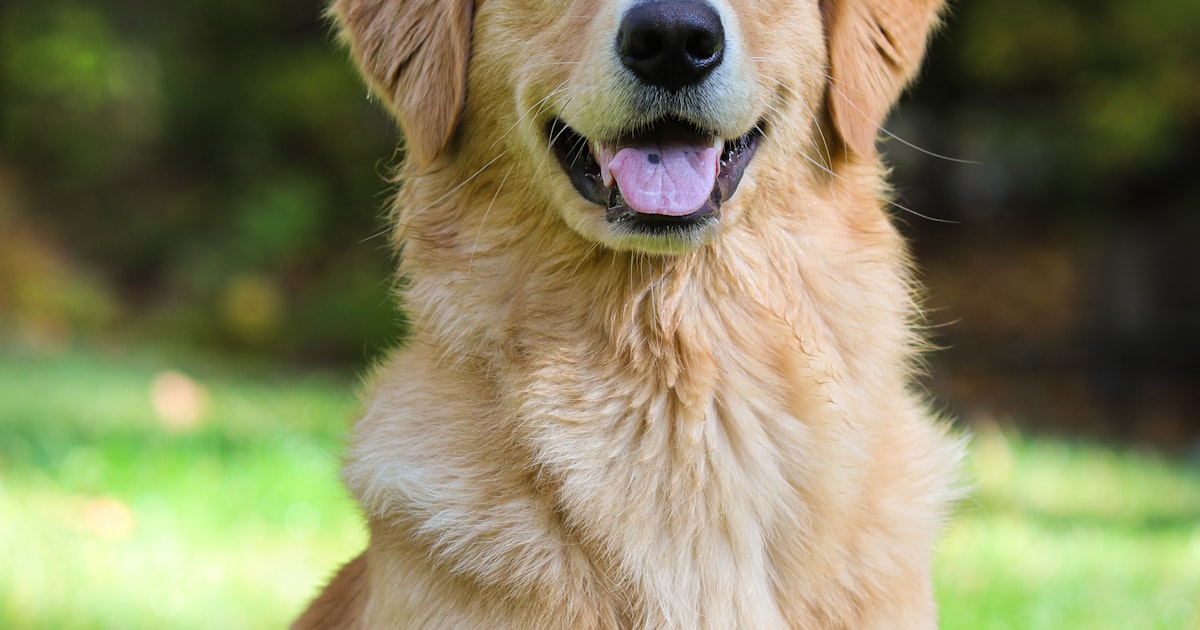
1. Golden Retriever — Best Overall Family Dog
The Golden Retriever has topped family-friendliness lists every year since AKC began tracking in 2004, and 2026 is no exception. Goldens score 98/100 on AVMA's child-interaction temperament scale. They are patient with rough play, rarely resource-guard, and respond to positive reinforcement within 4–6 weeks of basic training.
Key stats (2026):
- AKC registration rank: #3 most popular in the US
- Median annual cost: $2,400
- Daily exercise needed: 60 min
- Lifespan: 10–12 years
Expert tip
Golden Retrievers account for fewer than 0.2% of serious bite incidents despite being one of the most owned breeds in the US—a testament to their stable temperament.
Source: American Veterinary Medical Association, 2026
2. Labrador Retriever — Best for Active Families
Labs have been the #1 AKC-registered breed in America for 31 consecutive years through 2025. They thrive in households with yards and kids who want a dog that swims, fetches, and hikes. The 2026 AKC Breed Popularity report confirms Labs remain dominant, especially in suburban and rural settings.
Key stats (2026):
- AKC registration rank: #2 (Labs ceded #1 to French Bulldogs in 2022 but remain a top-3 staple)
- Median annual cost: $2,100
- Daily exercise needed: 60–90 min
- Lifespan: 10–12 years
Labs come in three coat colors—chocolate, black, and yellow—all with identical temperament. Coat color myths persist online; genetics research from the University of Sydney (2024) confirms no behavioral difference linked to color.
3. Beagle — Best for Smaller Homes
Beagles are the most underrated family dog. At 20–30 lbs, they fit apartment and townhome life better than any large breed. Their scent-tracking instinct means they need a fenced yard or leash at all times, but indoors they are gentle, playful, and surprisingly low-key.
Key stats (2026):
- AKC registration rank: #7
- Median annual cost: $1,450
- Daily exercise needed: 45 min
- Lifespan: 12–15 years
4. Cavalier King Charles Spaniel — Best for Seniors & Young Children
If your family includes elderly members or very young children who need a calm companion, the Cavalier is unmatched. They weigh 12–18 lbs, rarely bark excessively, and are content with 30-minute walks. Health costs are slightly elevated due to breed-specific cardiac conditions (MVD affects ~50% of Cavaliers by age 10), so pet insurance is strongly recommended.
5. Boxer — Best for Energetic Families
Boxers are loyal, clownish, and surprisingly gentle despite their muscular frame. They score well with children in every age group and are one of the most loyal breeds in AVMA assessments. Their short coat means minimal grooming. Note: Boxers are brachycephalic (flat-faced), which can mean breathing issues in extreme heat—plan outdoor activity for cooler parts of the day.
6. Bernese Mountain Dog — Best Large Gentle Giant
"Berners" are the quintessential gentle giant. Their 70–115 lb frame is matched by a completely docile temperament—they are known for letting toddlers climb on them. The tradeoff: they are expensive (median $3,200/year), shed heavily, and have a shorter lifespan of 6–8 years. A 2026 Swiss breed health registry update confirms Berners remain prone to orthopedic conditions, so an elevated dog bed and joint supplements are recommended from year two.
Full Breed Comparison Table
| Breed | Size | Kid-Friendly | Annual Cost | Grooming | Exercise/day |
|---|---|---|---|---|---|
| Golden Retriever | Large | ★★★★★ | $2,400 | Moderate | 60 min |
| Labrador Retriever | Large | ★★★★★ | $2,100 | Low | 60–90 min |
| Beagle | Small-Med | ★★★★☆ | $1,450 | Low | 45 min |
| Cavalier KCS | Small | ★★★★★ | $1,800 | Moderate | 30 min |
| Boxer | Medium | ★★★★☆ | $1,900 | Low | 60 min |
| Bernese Mtn Dog | Large | ★★★★★ | $3,200 | High | 60 min |
| Poodle (Standard) | Large | ★★★★★ | $2,600 | High | 60 min |
| Irish Setter | Large | ★★★★☆ | $2,000 | Moderate | 90 min |
| Collie | Large | ★★★★★ | $1,900 | High | 60 min |
| Bichon Frise | Small | ★★★★☆ | $1,600 | High | 30 min |
What to Do Before You Choose a Breed
- Meet the breed in person. Visit a reputable breeder or breed-specific rescue and observe behavior with your children present.
- Budget realistically. Use the ASPCA Pet Cost Calculator (updated 2026) for a personalized estimate.
- Check breed health registries. CHIC (Canine Health Information Center) publishes health clearance data for most popular breeds.
- Adopt first. Shelters saw a 12% increase in purebred surrenders in 2025—your ideal family dog may already be waiting.
What is the #1 family dog breed in the US in 2026?
French Bulldogs are the most registered breed per AKC 2026 data, but Golden Retrievers and Labradors rank #1 and #2 in family-suitability ratings from veterinary behavioral organizations.
Are mixed breeds safer for families than purebreds?
Behavioral research published in Applied Animal Behaviour Science (2024) found no significant difference in bite risk between mixed and purebred dogs when socialization and training are controlled. What matters most is early socialization, training consistency, and appropriate supervision with children.