Expert Summary
- Teen drivers aged 16–19 are involved in fatal crashes at 3× the rate of drivers over 20 — this actuarial risk is the direct reason for their higher premiums.
- Adding a teen to a parent's existing policy is almost always cheaper than purchasing a separate policy for the teen alone — the difference is typically $800–1,500/year.
- Telematics programs (usage-based insurance) offer the highest potential discount for teenage drivers — well-driven teens can reduce premiums by 20–40% through apps that monitor actual driving behavior.
Insuring a teenage driver is expensive — and for mathematically sound reasons. Understanding the cost structure, the best available discounts, and how to compare policies helps families manage what is often a $1,500–2,500 annual increase in auto insurance costs.
Why Teen Car Insurance Is So Expensive
Insurance premiums are based on statistical risk. Teenage drivers represent a genuine, substantial increase in accident risk:
- Fatal crash rate: 16–17-year-old drivers have a fatal crash rate 3.5× higher than drivers 20 and older (IIHS, 2025)
- Crash rate by miles driven: Teen drivers are involved in crashes at 2× the rate of adult drivers per mile
- Night driving risk: 16–17-year-olds are 3× more likely to have a fatal crash driving at night than during the day
- Passenger risk: Adding teen passengers increases crash risk — each additional teen passenger doubles crash risk for 16-year-old drivers
These are not assumptions — they are actuarial data. Insurers price this risk directly.
Average Cost by Age and State (2026)
Premium increase for adding a teen to a parent's policy (national average, June 2026):
| Teen Age | Average Annual Premium Increase |
|---|---|
| 16 | $2,050 |
| 17 | $1,820 |
| 18 | $1,640 |
| 19 | $1,320 |
Highest-cost states for teen drivers: Michigan, Louisiana, Florida, New York, New Jersey
Lowest-cost states for teen drivers: Iowa, North Dakota, Idaho, Maine, Vermont
Standalone teen policy vs. added to parent's policy:
| Option | Average Annual Premium |
|---|---|
| Teen added to parent's policy | $1,200–2,500 (increase) |
| Standalone teen policy | $3,500–6,000+ |
| Savings from family policy | $1,500–3,500/year |
Discounts That Actually Make a Difference
Good Student Discount (8–15%)
Most major insurers offer a good student discount for drivers under 25 with a B average (3.0 GPA) or better. Requirements vary — some require a transcript annually. Average discount: 10%. Available from: State Farm, Geico, Progressive, Allstate, Nationwide.
Driver Education Discount (3–8%)
Completing a state-approved driver's education course qualifies for discounts at most insurers. Some states require it for teen drivers — even in states where it is optional, the discount makes enrollment cost-effective.
Telematics/Usage-Based Insurance (15–40%)
Telematics programs monitor actual driving behavior through a mobile app or plug-in device. Metrics tracked: speed, hard braking, rapid acceleration, phone use while driving, nighttime driving, mileage.
Well-driven teens can save 20–40% through telematics. Programs to consider:
- State Farm Drive Safe & Save
- Progressive Snapshot
- Allstate Drivewise
- Root Insurance (telematics-first pricing — may be cheapest for genuinely safe teen drivers)
Root Insurance in particular bases pricing entirely on driving behavior, which can produce very low premiums for disciplined teen drivers.
Away-at-School Discount (Up to 30%)
If your teen is attending college more than 100 miles from home and does not have a car at school, most insurers offer a significant discount because the teen's driving exposure is dramatically reduced. Notify your insurer — this discount is not automatically applied.
Defensive Driving Course
Taking an approved defensive driving or advanced driver training course (AAA Teen Safe Driver, DSHS courses) qualifies for discounts at most insurers and may lower the teen's risk profile over time.
Choosing the Right Vehicle for a Teen Driver
The vehicle affects the insurance premium almost as much as the driver's age. Insurance is cheapest for:
- Older vehicles (5–10 years old): Lower collision value; may not need comprehensive/collision coverage
- Mid-size sedans and SUVs with high safety ratings (Honda Civic, Toyota Camry, Honda CR-V)
- Vehicles with safety features: Anti-lock brakes, lane departure warning, automatic emergency braking lower premiums
Avoid insuring teens in:
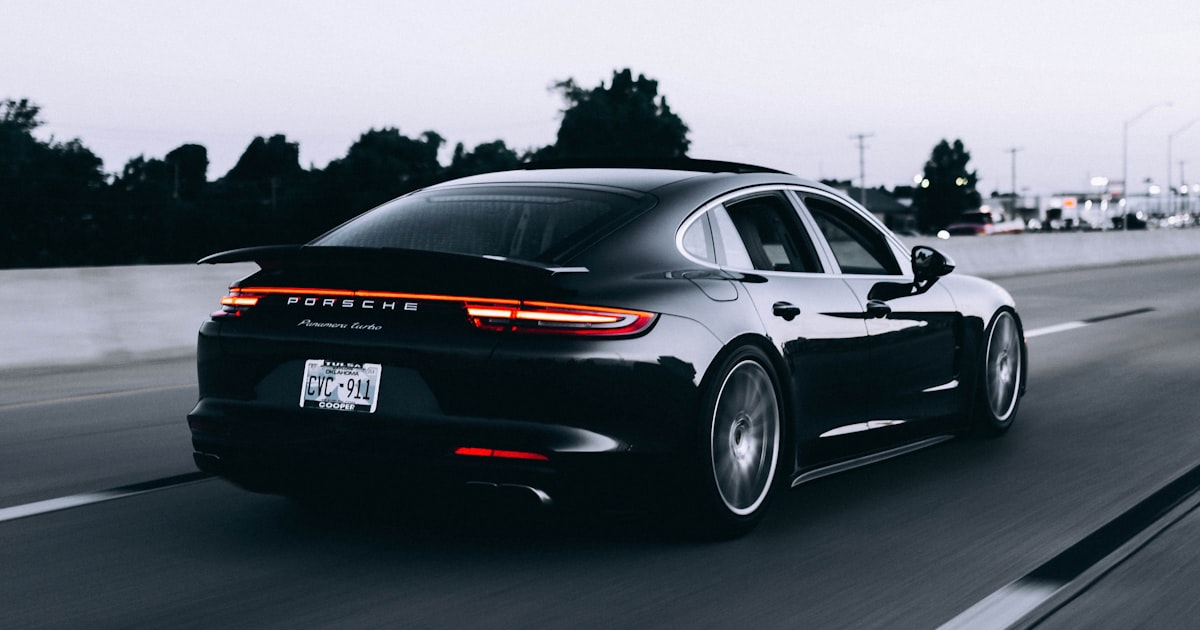
- Sports cars or high-performance vehicles (Mustang, WRX, Camaro) — dramatically higher premiums and higher crash risk
- Large trucks and large SUVs — higher liability exposure
- Luxury vehicles — higher collision and comprehensive costs
Expert tip
Vehicles with IIHS Top Safety Pick+ ratings have 15–25% lower injury claim rates. For teenage drivers, prioritizing safety-rated vehicles with automatic emergency braking reduces both collision risk and insurance cost. The IIHS maintains a free searchable database of vehicle safety ratings at iihs.org.
Source: Insurance Institute for Highway Safety (IIHS), 2025
Comparison: Best Insurers for Teen Drivers in 2026
| Insurer | Good Student Discount | Telematics Program | Teen-Specific Features |
|---|---|---|---|
| State Farm | Up to 25% | Drive Safe & Save | Student Away discount |
| Geico | Up to 15% | DriveEasy | Accident forgiveness option |
| Progressive | Up to 10% | Snapshot | Name Your Price tool |
| Allstate | Up to 20% | Drivewise | TeenSMART course discount |
| Travelers | Up to 8% | IntelliDrive | Minor violation forgiveness |
| Root | N/A | Core product | May be cheapest for safe drivers |
Get quotes from at least 3 providers using identical coverage terms. Premium differences of $400–800/year are common between insurers for the same teen driver.
Pay-per-mile car insurance: how it works and who benefits most →
How much does car insurance cost for a 16-year-old in 2026?
Adding a 16-year-old driver to a parent's policy typically increases the annual premium by $1,200–2,500. A standalone policy for a 16-year-old costs $3,500–6,000+ annually. The difference makes adding to a parent's policy the overwhelmingly more affordable option in almost all cases.
What discounts are available for teenage drivers?
The most impactful discounts are the Good Student Discount (8–15%), Driver Education Discount (3–8%), Telematics/UBI discount (15–40% for safe driving), and Away-at-School discount if the teen is at college without a car more than 100 miles from home. Combining multiple discounts can reduce premiums by 25–45%.
Does a teenage driver need their own car insurance policy?
In most cases, no — adding them to a parent's policy is significantly cheaper. A teen needs their own policy if they own a vehicle in their own name, live at a different address, or the parents' insurer requires it. Some insurers require a separate policy if the teen has a poor driving record.